Mark Rothko
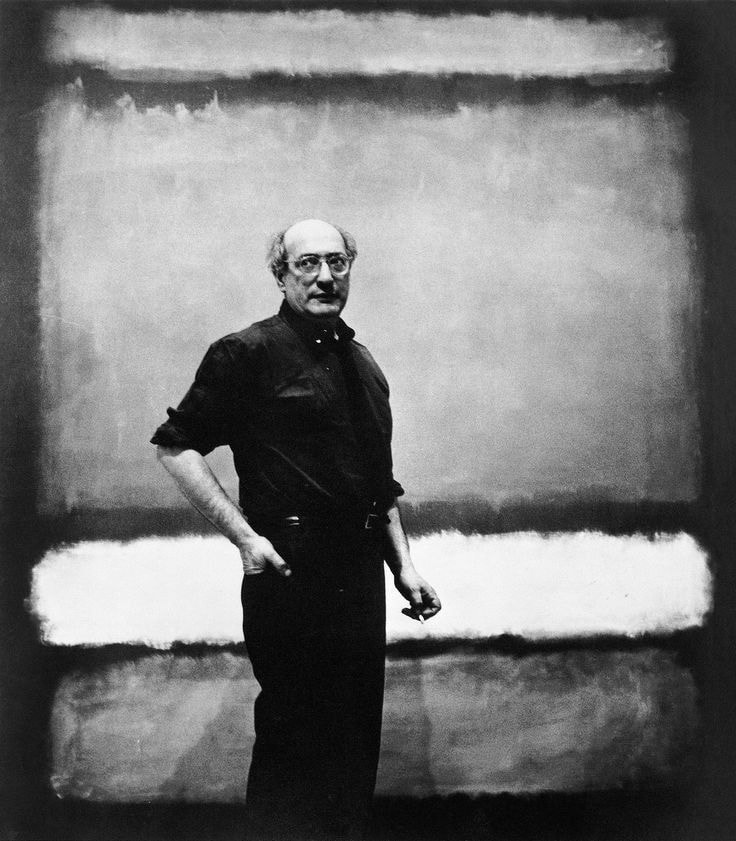
A painting is not a picture of an experience, but is the experience.
Mark Rothko
Few artists believed as strongly as Mark Rothko that painting could communicate the deepest human emotions. Rather than creating images of recognizable people or places, Rothko used large fields of color to evoke universal feelings such as joy, sorrow, fear, loneliness, and transcendence. He once explained that his goal was not simply to arrange beautiful colors but to express fundamental human experiences. When viewers became emotional, even shedding tears, he saw it as evidence that his work had succeeded in creating a meaningful connection.
Born as Markus Rothkowitz in Latvia in 1903, Rothko immigrated with his family to the United States as a child. After briefly attending Yale University, he left without graduating and eventually settled in New York City, where he dedicated himself to becoming an artist. During his early years, he studied alongside influential painters and explored a variety of artistic styles, including Surrealism. His paintings from the 1940's often featured organic, dreamlike forms inspired by mythology and psychology before evolving into the abstract style for which he became internationally recognized.
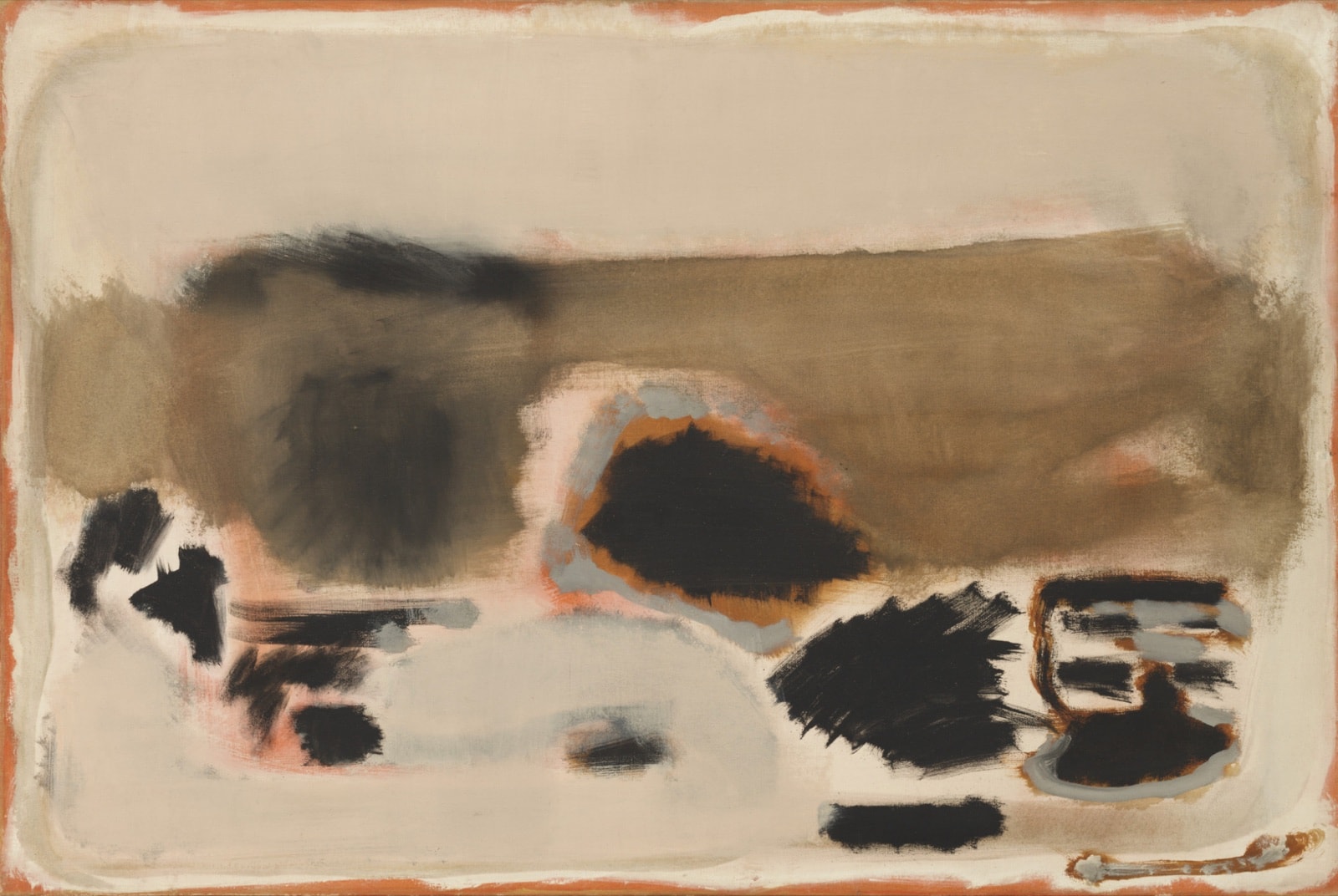
In the late 1940's, Rothko developed his signature approach: expansive canvases filled with softly edged rectangles of luminous color floating against equally vibrant backgrounds. This style became closely associated with Color Field painting, a movement that emphasized large areas of color as the primary means of emotional expression. Through countless experiments with scale, layering, and subtle color relationships, Rothko sought to create immersive works that encouraged quiet reflection and personal interpretation.
As his career progressed, Rothko gained widespread critical acclaim and commercial success, but his personal life became increasingly difficult. Years of poor health, anxiety, and depression took a significant toll on him. Following a serious aneurysm in the late 1960s, he adjusted his painting methods by producing smaller works and switching from oil paints to acrylics, which were physically less demanding. Despite these changes, his health continued to deteriorate.
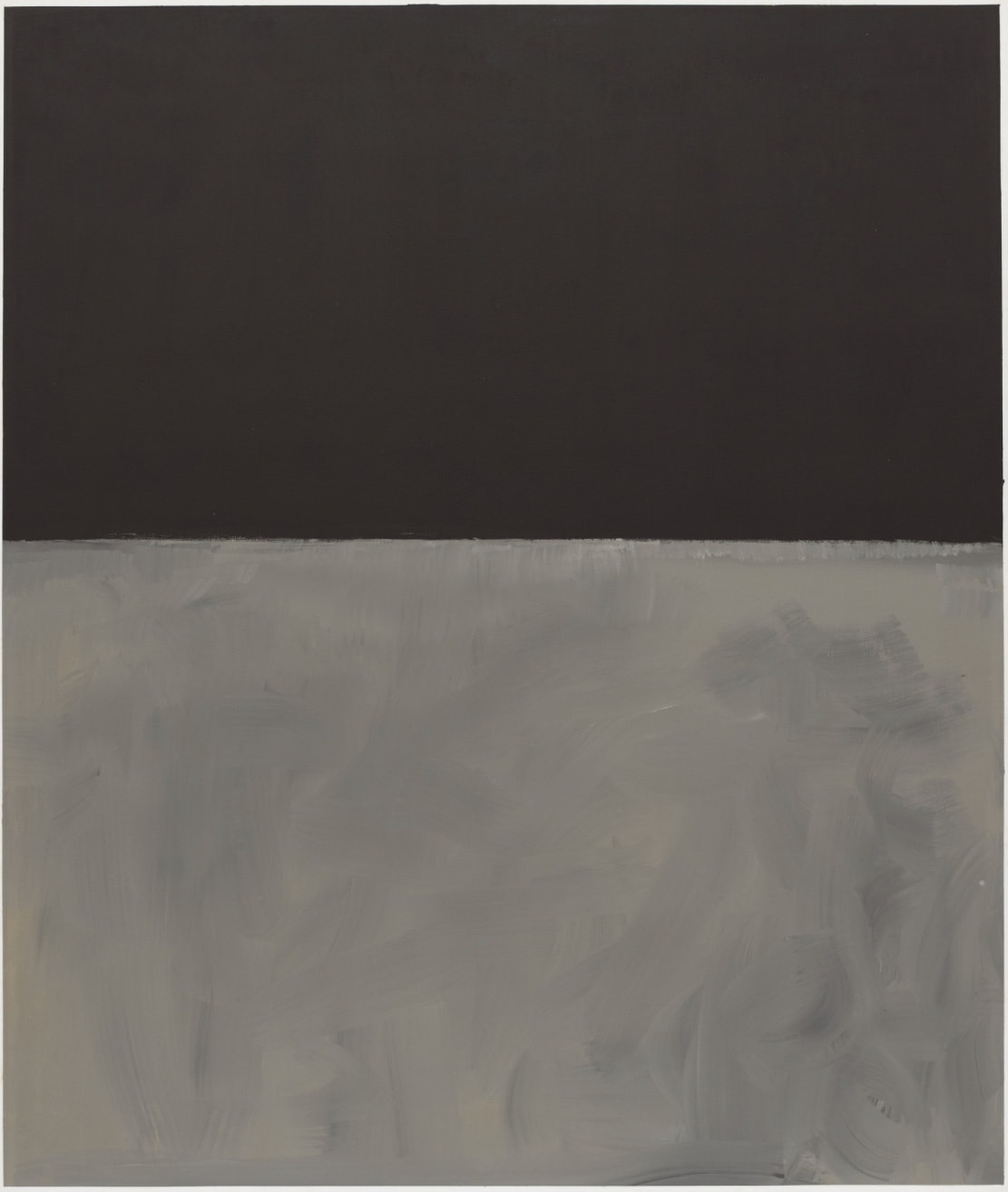
Mark Rothko died in 1970 at the age of 66. Today, he is regarded as one of the most influential figures of Abstract Expressionism. His paintings continue to captivate audiences around the world, inviting viewers to experience emotion through color, light, and space. More than decorative works, Rothko's paintings remain powerful reminders of art's ability to communicate the complexity of the human spirit.